Loading...
As COP31 enters its final week in Antalya, the question for the energy industry is practical rather than abstract: what will the outcome mean for investment, supply and the way energy is produced and used? With talks due to close on Friday, 20 November, the answers will shape the conversations the sector has in 2027.
The energy questions on the table
The negotiations are wide-ranging, but four energy themes stand out.
• Electrification. A proposed voluntary pledge would lift electricity’s share of global final energy consumption to 35 percent by 2035, supported by investment in renewables, grids, storage and efficiency. The IEA’s current-policy projections put the figure at just under 30 percent, so the pledge is a stretch target.
• The role of fossil fuels. The transition away from fossil fuels was agreed at COP28 in Dubai, but explicit references were left out of the COP29 and COP30 decisions. Producer countries, including the Arab Group, have argued against targets imposed from above or aimed at specific energy sources, while the UN Secretary-General and many other parties are pressing for faster action.
• Climate finance. Developing countries want greater certainty over funding. The $300 billion annual goal agreed at COP29 and the commitment to at least triple adaptation finance by 2035 are both under scrutiny.
• A just transition. A draft decision on how a just transition mechanism would work is in play, with implications for workers and communities in energy-producing economies.
What it means for the energy sector
Energy security is driving the case for electrification. Electrification is gaining ground because it speaks to energy security as well as emissions. For the industry, that points to growing demand for grid upgrades, storage and efficiency, and to a power system that has to be reliable as well as clean.
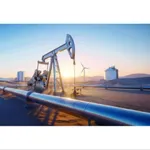
Oil and gas remain part of the transition conversation. No outcome in Antalya changes the fact that oil and gas still underpin global energy supply. The more useful question is how the sector performs: lower emissions per barrel or unit of gas, stronger efficiency, and credible technologies such as carbon capture. Producers that can measure and report progress will be best placed to make their case.
Lower-carbon molecules need to fit the existing system. Hydrogen and its derivatives are central to how producing economies talk about their future. Investors increasingly want to know how these fuels connect to existing infrastructure, at what cost and on what timeline. That is where technical expertise and practical project experience matter most.
Investment certainty is the common thread. Whatever wording is finally agreed, capital follows clarity. Clear policy signals, accessible finance and bankable projects will decide how quickly commitments turn into assets.
Oman’s position through an energy lens. Oman arrives at COP31 with a record to build on. In the 2026 Environmental Performance Index, the country ranks 49th among 177 countries and first in the world on six indicators, including wastewater treatment, sustainable waste management and reductions in sulphur dioxide emissions. The same index ranks Oman 146th on climate change mitigation. For an economy that has relied on oil and gas for decades and has committed to net zero by 2050, that combination describes the task clearly: build on proven delivery and extend it to emissions and energy.
The practical priorities follow from that:
• reducing emissions per unit of production
• improving efficiency across industry and the power system
• scaling lower-carbon fuels and technologies
• strengthening monitoring and reporting so progress can be shown
Oman’s experience, including the results and the difficulties along the way, could also offer useful lessons to other resource-dependent economies making a similar transition.
The Oman Petroleum & Energy Show exists to bring together the people who produce, finance, regulate and build the region’s energy systems. The themes of COP31 are the themes of that conversation: how to keep energy secure and affordable, how to lower emissions, and how to turn plans into projects. As the Antalya outcome becomes clear, OPES will be the place to discuss what it means in practice for Oman and the wider region.
Sources:
https://unfccc.int/news/un-climate-chief-today-at-halfway-point-of-cop31-no-collective-success-without-compromise-from-every
https://www.omanobserver.om/article/1199713/opinion/business/from-commitment-to-implementation-oman-at-cop31
https://unfccc.int/cop31
https://www.reutersconnect.com/item/turkey-hosts-un-climate-change-conference-cop31-in-antalya/dGFnOnJldXRlcnMuY29tLDIwMjY6bmV3c21sX1JDMlpPT0FMNTRQVg